
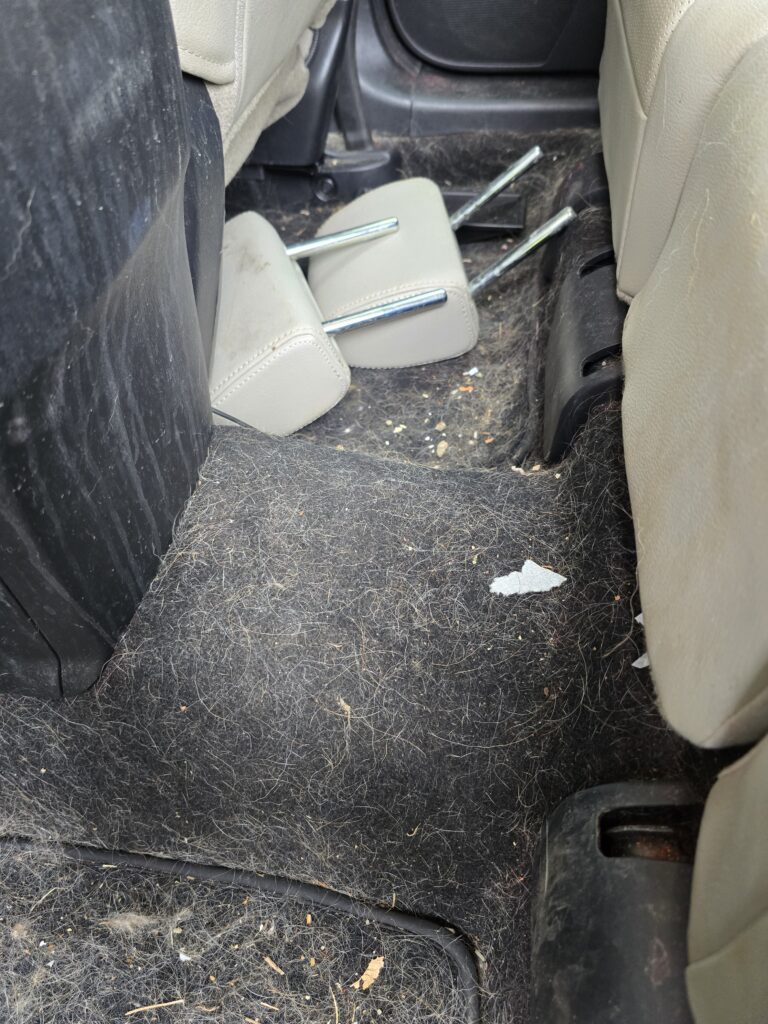
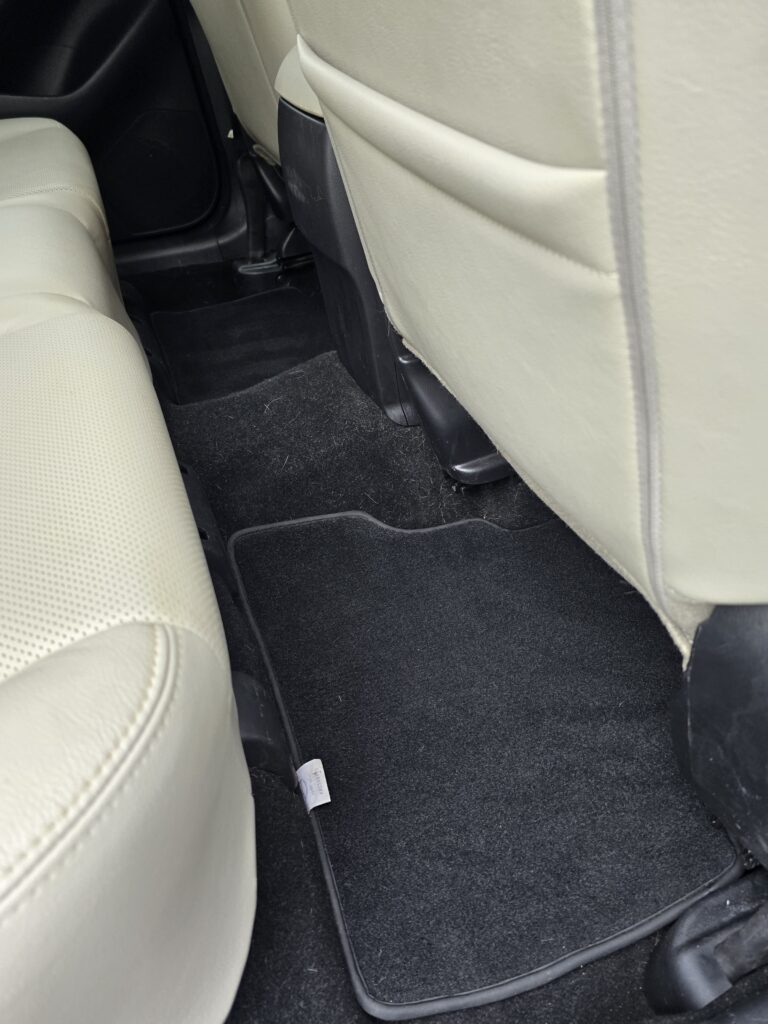
Persistent car odor is one of the most frustrating interior problems to deal with because most of the obvious fixes don’t actually work — they just temporarily cover the smell, which comes back within days. Understanding why that happens makes it much easier to know what will actually solve it versus what’s just masking the problem until the next time you get in the car on a warm day.
Why Most DIY Odor Fixes Fail
Air fresheners, baking soda, dryer sheets, and odor-absorbing charcoal bags all work on the same principle: they either add a competing scent or passively absorb ambient odor molecules in the cabin air. What they don’t do is touch the source — the bacteria, organic material, or chemical compound that’s actively producing the smell from inside the upholstery, carpet padding, or headliner. As long as the source is still there, the odor keeps regenerating. This is why a strong air freshener seems to work for a few days and then the original smell starts bleeding back through.
Wiping surfaces down with household cleaners runs into the same limitation. Most odor sources in a car interior are in material layers that surface cleaning can’t penetrate — the foam under carpet, the padding behind seat fabric, the headliner backing. Cleaning what you can see and reach doesn’t address what’s sitting an inch deeper in the material.
What Actually Works by Odor Type
General mustiness and accumulated odor from age and regular use responds well to a thorough hot water extraction detail — pulling contaminated material out of carpet and upholstery fibers and following up with a proper odor-neutralizing product that chemically breaks down odor compounds rather than masking them.
Pet odor requires extraction plus an enzyme-based treatment. Enzymes specifically break down the proteins in pet dander, saliva, and urine that are responsible for the smell — regular cleaning products don’t have the chemistry to do this, which is why pet odor in particular tends to survive basic cleaning attempts and come back.
Smoke odor is the most difficult to fully eliminate because smoke particles penetrate every porous surface in the cabin including the headliner, HVAC system, and any foam or padding. Extraction addresses the seats and carpet, but fully eliminating smoke smell almost always requires an ozone treatment — a machine that floods the sealed cabin with ozone gas, which oxidizes and neutralizes odor compounds at a molecular level in every surface simultaneously, including ones no cleaning tool can physically reach.
Food and spill odor, when caught early, usually responds to extraction alone. When it’s been sitting for weeks or months — especially dairy or protein-based spills — enzyme treatment alongside extraction gives significantly better results.
When to Stop Trying DIY and Call a Pro
If you’ve vacuumed, wiped everything down, tried two or three different odor products, and the smell is still there a week later — especially if it gets stronger when the car heats up in the sun — the source is deeper than surface cleaning can reach. Heat amplifies odor because it accelerates the off-gassing from whatever organic material is embedded in the interior, which is why a car that seems fine on a cool morning can smell overwhelming by afternoon.
At that point the time and money spent on more consumer products is better put toward a professional extraction and odor treatment that actually solves the problem rather than delays it.
See our Deep Interior Clean page or call 877-543-1085 to talk through what’s causing your specific odor and what treatment will actually fix it.