
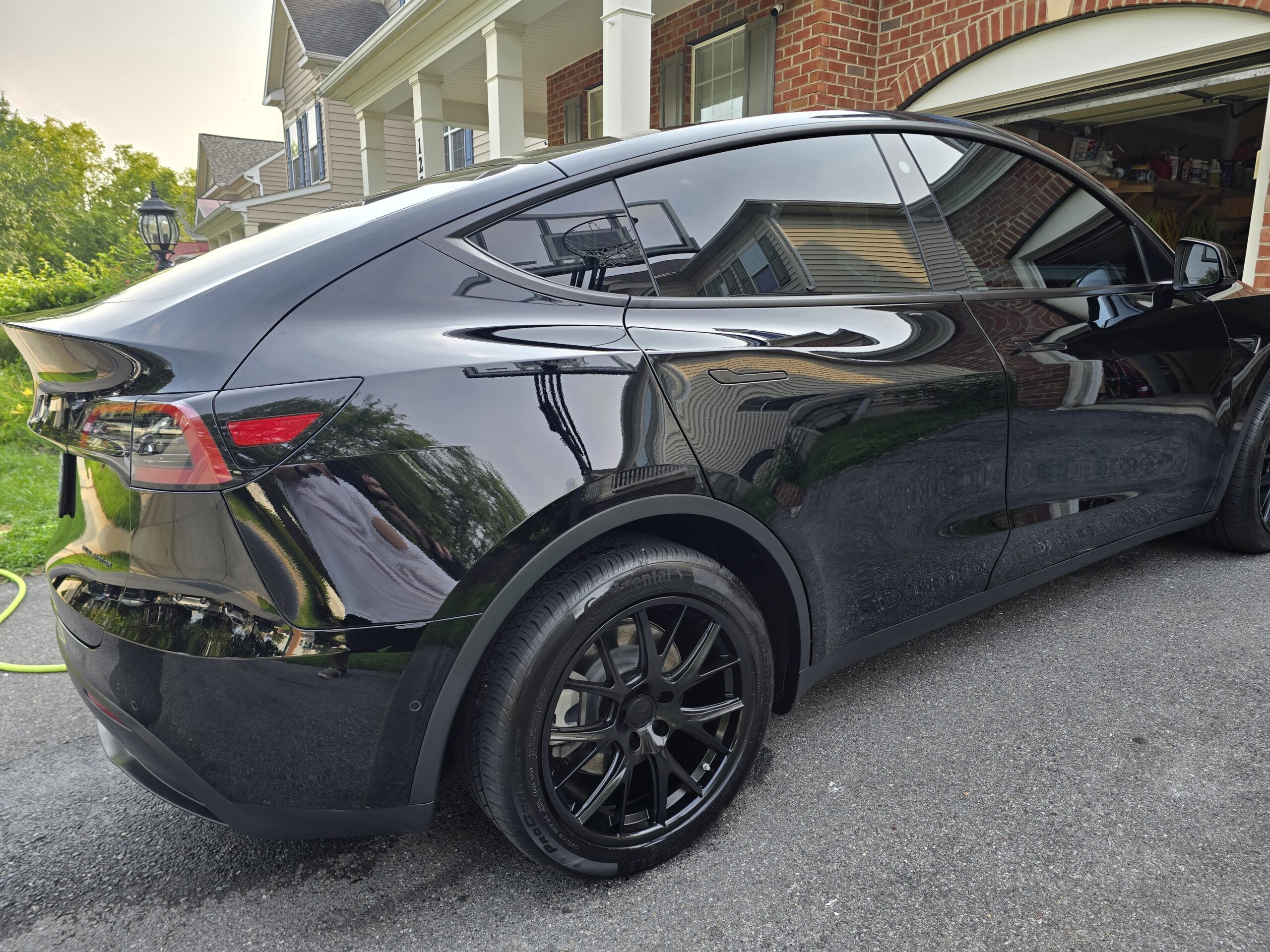
Short answer: Wax is the cheapest but shortest-lived option, giving a few weeks to a few months of shine and light protection. Ceramic coating bonds to your paint for roughly two to five years (longer for premium coatings), resisting UV, chemicals, and water spots while making the car far easier to clean. Paint protection film (PPF) is the most durable and the only one that physically absorbs rock chips and scratches, lasting seven to ten years. For most drivers who want long-term protection and easier maintenance, a professional ceramic coating offers the best balance of cost and performance; PPF is the top choice for high-impact areas or when preserving resale value is the priority.
Quick comparison at a glance
| Feature | Wax / Sealant | Ceramic Coating | Paint Protection Film (PPF) |
|---|---|---|---|
| How long it lasts | Weeks to a few months | 2–5 years (premium longer) | 7–10 years |
| Protects against rock chips | No | No | Yes |
| UV & chemical resistance | Low | High | High |
| Water-beading / easy cleaning | Moderate | Excellent | Good (with a coating on top, excellent) |
| Self-healing | No | No | Yes (light swirls heal with heat) |
| Typical professional cost | $50–$150 | From ~$600 | Partial from ~$900; full-front or full-body significantly more |
| Best for | Budget shine, short-term | Long-term gloss & easy upkeep | Maximum protection & resale value |
What is car wax (and paint sealant)?
Wax is the traditional paint protection: a natural (carnauba) or synthetic layer that sits on top of your clear coat to add gloss and repel water. It’s inexpensive and gives paint a warm shine, but it wears off quickly — typically four to eight weeks for carnauba wax, and a few months for a synthetic sealant. Wax does nothing to stop scratches or rock chips, and Maryland’s summer heat and UV break it down faster. It’s a good option if you want a low-cost refresh, but it’s maintenance you’ll repeat several times a year.
What is ceramic coating?
A ceramic coating is a liquid polymer that chemically bonds with your paint to form a durable, semi-permanent layer. Unlike wax, it doesn’t wash away after a few weeks. A professionally applied coating resists UV fading, bird droppings, tree sap, road grime, and water spots, and its hydrophobic surface means dirt slides off and washing takes a fraction of the time. Professional-grade coatings typically last two to five years, with premium multi-layer systems lasting longer when the car is maintained.
The single biggest factor in how good — and how long-lasting — a ceramic coating is comes down to the prep. A coating locks in whatever is underneath it, so any reputable shop will wash, decontaminate, and perform paint correction to remove swirls and scratches before applying the coating. Skipping that step seals the imperfections in permanently.
What is paint protection film (PPF)?
PPF, sometimes called “clear bra,” is a thick, optically clear urethane film applied directly to the paint. It’s the only one of the three that provides genuine physical protection: it absorbs rock chips, road debris, and light scratches that would otherwise reach your paint. Quality film is self-healing, meaning fine swirl marks disappear with heat from the sun or warm water. PPF lasts seven to ten years and is the go-to choice for high-impact areas like the hood, front bumper, fenders, and mirrors — or full-body coverage on new and leased vehicles where preserving factory paint matters most.
Which one should you choose?
Match the protection to how you use the car:
- Choose wax if you want an inexpensive, short-term shine and don’t mind reapplying every couple of months.
- Choose ceramic coating if you want years of gloss, strong protection against the elements, and dramatically easier washing — the best all-around value for most daily drivers.
- Choose PPF if you’re protecting a new, leased, or high-value vehicle, drive frequently on highways where rock chips are common, or want to preserve resale value.
Can you combine PPF and ceramic coating?
Yes — and it’s a popular combination. Many owners apply PPF to the most vulnerable panels for impact protection, then add a ceramic coating over the entire vehicle (including the film) for the hydrophobic, easy-clean surface and UV resistance. The two work together: PPF handles physical impacts, ceramic handles chemical protection and cleaning ease.
A note on Maryland weather
Our local climate is genuinely hard on paint. Montgomery County summers bring intense UV and heat that degrade wax quickly, spring coats everything in pollen, and winter road salt is corrosive. Longer-lasting protection like ceramic coating or PPF holds up far better through these seasonal swings than wax, which is one reason we recommend it to most Clarksburg-area drivers.
Frequently asked questions
Is ceramic coating better than wax?
For durability and protection, yes. Ceramic coating lasts years rather than weeks, resists UV and chemicals far better, and makes the car much easier to clean. Wax only wins on upfront cost.
Does ceramic coating prevent scratches?
It adds a hard, sacrificial layer that resists fine marring and wash-induced swirls, but it does not stop rock chips or deeper scratches. For that level of physical protection you need PPF.
How much does ceramic coating cost?
Professional ceramic coating generally starts around $600 and varies with the size and condition of the vehicle and how much paint correction is needed first. See our full cost breakdown for details.
Is PPF worth it?
If you’re protecting a new or high-value car, drive on highways often, or want to preserve resale value, PPF is usually worth it — it’s the only option that physically shields paint from rock chips and can be removed later without damaging the factory finish.
Get expert paint protection in Clarksburg, MD
BeyondShowroom is an owner-operated detailing studio in Clarksburg, Maryland, serving Germantown, Damascus, Gaithersburg, and all of Montgomery County since 2018. As a STEK-certified installer with 100+ five-star Google reviews, we’ll help you choose the right protection for your vehicle and budget. Book a consultation or call us at 877-543-1085.