
Author byline: Amir, owner of BeyondShowroom
Updated: October 6, 2026
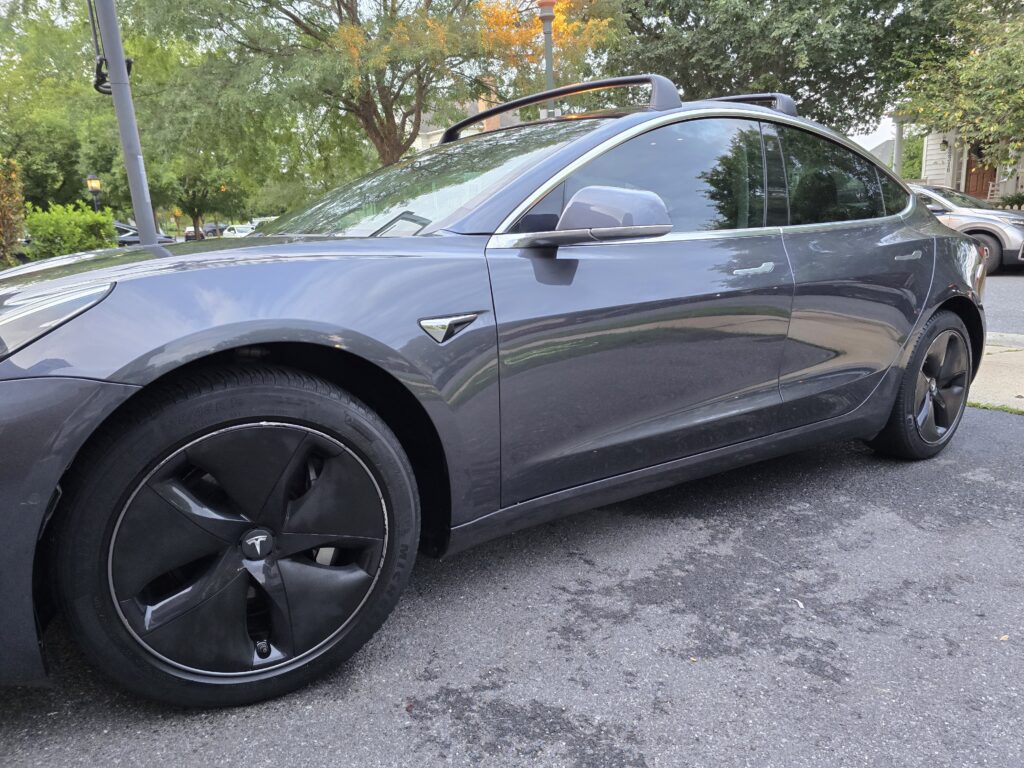
Short answer: No. Ceramic coating is a chemical layer only a few microns thick — it protects against UV, chemicals, and water spots, and makes washing much easier, but it has zero meaningful impact resistance. A rock hitting your hood at 65 mph doesn’t care that it’s coated. The only thing that actually absorbs rock chips is paint protection film (PPF).
I get asked this constantly at the shop, and I understand why. “Ceramic coating” sounds like armor. Some shops and product ads lean into that confusion on purpose. So let me give it to you straight: coating is chemistry, not armor.
Why can’t a ceramic coating stop a rock chip?
It’s a thickness problem. A professionally applied ceramic coating measures roughly 1–3 microns per layer. For reference, a human hair is about 70 microns. Even a multi-layer coating stack is a fraction of a hair’s width — it’s a hardened chemical film bonded to your clear coat, not a physical barrier.
Paint protection film, by contrast, is about 8 mils thick — roughly 200 microns — of flexible urethane with a self-healing top coat. That’s the difference between a layer of varnish and an actual shield. When a stone hits PPF, the film deforms and absorbs the impact; the top coat then “heals” light scuffs with heat from the sun or your engine.
So the physics are simple: nothing 2 microns thick is stopping a rock.
What does ceramic coating actually protect against?
Plenty — just not impacts. Here’s what coating genuinely does well:
- UV fading and oxidation. Maryland summers are brutal on dark paint; coating blocks the UV that fades and chalks clear coat.
- Chemical etching. Bird droppings, bug splatter, tree sap, and road grime wipe off a coated car before they can etch in. On uncoated paint, they bond and stain.
- Water spots. The hydrophobic surface sheds water instead of letting minerals bake on — a real difference with our hard Maryland water and summer humidity.
- Easier washing. Dirt doesn’t bond as aggressively, so washes take less time and less scrubbing (which means fewer swirls).
- Gloss and depth. A coated car just looks wetter and deeper, especially after paint correction underneath.
That’s real value for two to five years. It just isn’t chip protection, and no coating on the market changes that — not “10H,” not “graphene,” not any brand name. Hardness ratings measure scratch resistance against light marring, not impact resistance.
What actually stops rock chips? PPF.
If chips are your worry — and in Montgomery County, with I-270 construction zones, winter road gravel, and dump trucks on Route 355, they should be — PPF is the answer. Here’s how it works:
- A clear urethane film is applied to the high-impact areas: front bumper, hood leading edge (or full hood), front fenders, headlights, side mirrors, and rocker panels.
- It’s essentially invisible when installed well — no orange-peel look, no yellowing with modern films.
- Light scratches in the film’s top coat self-heal with heat. Deeper hits may mark the film, but the paint underneath stays intact — and replacing a film panel costs far less than repainting.
Most of our customers who care about chips do a front-end package: bumper, partial or full hood, fenders, mirrors. That covers 90%+ of where chips actually happen, at a fraction of full-body PPF.
Can you combine PPF and ceramic coating?
Yes — and honestly, it’s the best protection setup you can buy:
- PPF on the impact zones (front end) for physical protection.
- Ceramic coating over everything, including over the film, for chemical protection, UV resistance, hydrophobics, and easier washing.
Coating bonds fine to modern PPF and actually makes the film easier to clean and more stain-resistant. If budget is the question, do the PPF first on the front end and add the coating when you can — or ask us about bundling both at once.
What if I already have rock chips?
An honest note most shops won’t give you: PPF won’t hide existing chips, and it can make them slightly more visible by locking in the contrast between the chip and the surrounding paint. The right order is:
- Touch up or repair the chips first (we can advise on whether yours are candidates for touch-up or need a body shop).
- Optional paint correction to level the surrounding clear coat.
- Then PPF over the repaired area to prevent new ones.
Coating over chips doesn’t fix them either — it just seals them in under a glossy layer. If a shop tells you coating will “fill in” your rock chips, walk out.
How much does PPF cost in Maryland?
Pricing depends on coverage (partial front vs. full front vs. full body), vehicle size, and film brand — anyone quoting you a flat number without seeing the car is guessing. What I can tell you: a front-end package typically costs less than repainting a hood and bumper once, which is the comparison that matters. Call or message us with your vehicle and we’ll give you a real number, not a range from a pricing table.
Frequently asked questions
Does ceramic coating prevent rock chips?
No. Ceramic coating is a thin chemical layer (1–3 microns) that protects against UV, chemicals, and water spots but has no impact resistance. Only paint protection film (PPF), an ~8-mil urethane film, absorbs rock chip impacts.
Is PPF better than ceramic coating?
They solve different problems. PPF is better for physical impacts like rock chips and scratches; ceramic coating is better for chemical protection, UV resistance, and easy washing. The best setup is PPF on high-impact areas with ceramic coating over the whole car.
Can you put ceramic coating over PPF?
Yes. Modern ceramic coatings bond well to PPF and make the film easier to clean, more stain-resistant, and more hydrophobic. Many of our customers do both.
Will PPF hide existing rock chips?
No — and it can make them slightly more visible. Repair or touch up chips before applying film, not after.
How long does PPF last?
Quality films carry 7–10 year warranties and realistically last that long with basic care. Ceramic coatings last 2–5 years. They protect differently and expire differently.
Do I need PPF if I mostly drive locally in Maryland?
If your driving is mostly low-speed local roads, chips are less of a threat. But I-270 commuters, Route 355 drivers, and anyone behind construction traffic or winter salt trucks will collect chips fast. Your front bumper tells the story — check it in direct sunlight.
Ready to actually protect your front end? If rock chips are eating your bumper on 270, PPF is the fix — and we can layer ceramic coating over it for the full package. Call +1-877-543-1085 or email contact@beyondshowroom.com and tell us what you drive. We’ll give you a straight quote.