
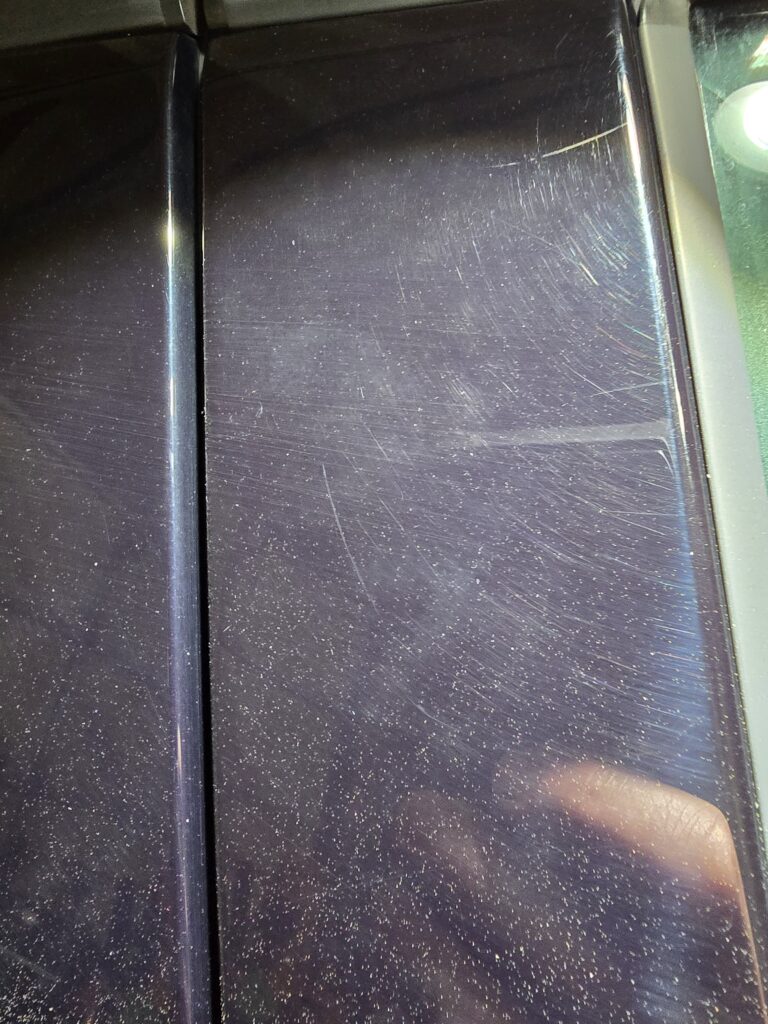
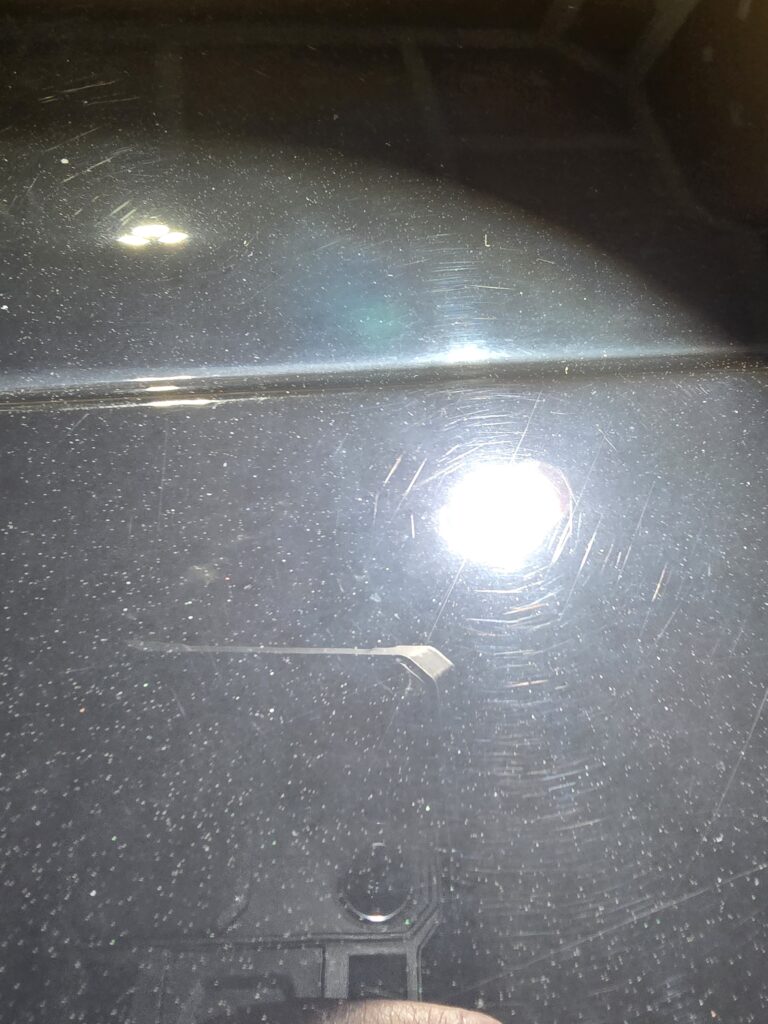
Short answer: Maryland’s four-season climate is genuinely tough on car paint. Summer brings intense UV and heat that fade and oxidize the finish, spring coats everything in mildly acidic pollen, humidity and rain leave mineral water spots, and winter road salt is corrosive to paint and metal. Bird droppings, tree sap, and bug splatter etch the clear coat faster in the heat. You can prevent most of this with regular washing (including the undercarriage in winter), prompt removal of contaminants, and a lasting paint protection layer like wax, ceramic coating, or paint protection film. Garage or shade parking helps too.
Maryland’s seasonal threats to your paint
| Season | Main threat | What it does to paint | Best defense |
|---|---|---|---|
| Spring | Pollen & tree sap | Mildly acidic; traps moisture and can etch if left on | Frequent washing; prompt sap removal |
| Summer | UV & heat | Fades color, oxidizes and dulls the clear coat | Ceramic coating; shade/garage parking |
| Summer | Humidity & rain | Mineral water spots that etch over time | Dry after rain; hydrophobic coating |
| Fall | Leaves, sap & bird droppings | Acidic staining and etching | Remove promptly; protective coating |
| Winter | Road salt & brine | Corrodes paint and metal, especially lower panels | Regular washes incl. undercarriage; PPF |
Summer: UV and heat
Maryland summers deliver strong, sustained UV and high heat. Over time, UV breaks down the clear coat and pigment, causing colors — especially reds and blacks — to fade and the surface to oxidize into a dull, chalky look. Heat also softens contaminants like sap and droppings so they bond and etch faster. A ceramic coating adds meaningful UV resistance, and parking in shade or a garage slows fading considerably.
Spring: pollen and sap
Anyone who parks outside in Montgomery County knows the yellow-green pollen layer that blankets everything in spring. Pollen is mildly acidic and holds moisture against the paint, and when it mixes with rain and sits in the sun it can begin to etch the clear coat. Tree sap is worse — sticky, acidic, and stubborn once it hardens. Frequent washing through pollen season and removing sap promptly are the simplest protections.
Summer humidity and rain: water spots
Our humid summers and frequent rain leave behind mineral deposits as water evaporates. Those water spots aren’t just cosmetic — left long enough in the sun, the minerals can etch permanent rings into the finish. Drying the car after rain and having a hydrophobic coating that sheets water off both reduce spotting.
Winter: road salt is the real enemy
Winter road salt and brine are the most corrosive thing your paint faces all year. Salt spray clings to lower panels, rocker areas, and the undercarriage, and it accelerates corrosion wherever it sits — especially in any spot where paint is already chipped. Through winter, wash the car regularly and include the undercarriage to flush salt out of the areas you can’t see. This is also where paint protection film earns its keep on the front end, since winter road debris causes the chips that let corrosion start.
Year-round: bird droppings, bugs, and fallout
Bird droppings are acidic and one of the fastest ways to permanently etch paint, particularly on a hot panel — they should come off as soon as you spot them. Bug splatter is similar in summer. Iron particles from brake dust and industrial fallout also embed in the paint over time; a periodic decontamination and paint correction removes what regular washing can’t.
How to protect your car’s paint in Maryland
- Wash regularly — every two weeks, and more often during pollen season and winter, to remove contaminants before they bond or corrode.
- Wash the undercarriage in winter to flush out road salt.
- Remove droppings, sap, and bugs immediately — don’t let them bake in the sun.
- Apply lasting protection — wax for short-term, ceramic coating for years of UV and chemical resistance, PPF for physical protection against chips and salt-driven corrosion.
- Dry after rain to prevent mineral water spots.
- Park in shade or a garage whenever possible to limit UV exposure.
Frequently asked questions
Does road salt damage car paint?
Yes. Road salt and brine are corrosive and accelerate rust and paint damage, especially on lower panels and the undercarriage and anywhere the paint is already chipped. Regular winter washing, including the undercarriage, is the best defense.
Is pollen bad for car paint?
Pollen is mildly acidic and traps moisture against the paint. On its own it’s minor, but left on the surface through rain and sun it can begin to etch the clear coat, so frequent washing during pollen season matters.
How do I protect my car’s paint from the sun?
Park in shade or a garage when you can, and apply a ceramic coating, which adds UV resistance that slows fading and oxidation far better than bare or waxed paint.
How often should I wash my car in Maryland?
Roughly every two weeks year-round, and more often during spring pollen season and winter road-salt season, when contaminants build up fastest.
Protect your paint with a Clarksburg detailer who knows Maryland
BeyondShowroom is an owner-operated detailing studio in Clarksburg, Maryland, serving Germantown, Damascus, Gaithersburg, and all of Montgomery County since 2018. We see exactly what our local climate does to paint — and we’ll recommend the right protection for how and where you drive. With 100+ five-star Google reviews and STEK certification, your finish is in good hands. Explore paint protection options or call 877-543-1085.