
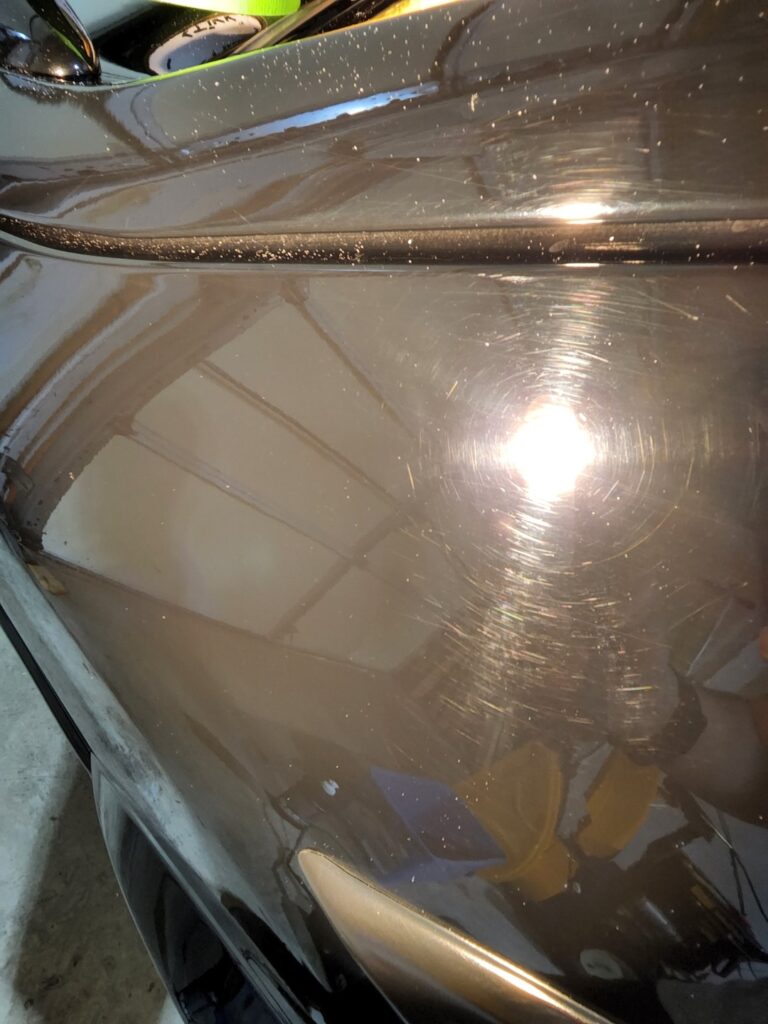
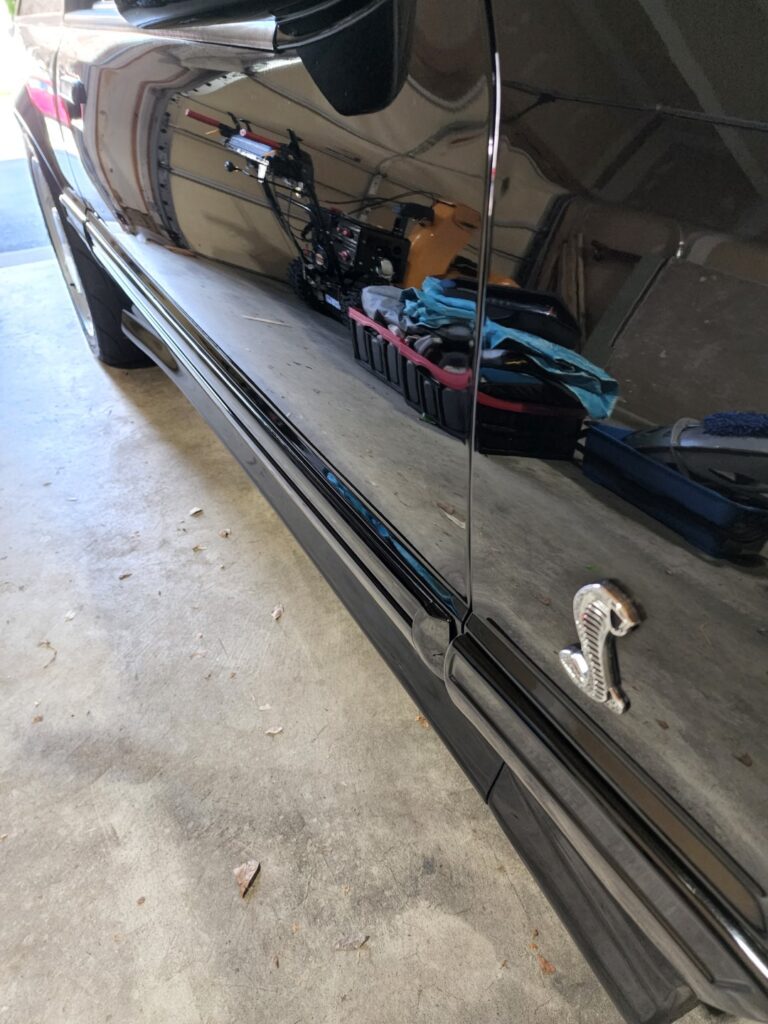
It’s one of the most common assumptions we run into: a customer brings in a car with a few hundred miles on it, sometimes picked up from the dealership just days earlier, and is genuinely surprised when we point out swirl marks, scratches, or marring already in the paint. The logic makes sense on the surface — how could a brand-new car already have paint defects? But in practice, “new” and “defect-free” are two very different things.
Where New Car Defects Actually Come From
A car’s paint goes through a surprising amount of handling before it ever reaches you. It’s wiped down at the factory, exposed to weather and dust during transport on an open carrier, washed (often with rough, shared equipment) at the port or rail yard, and then detailed again — frequently with poor technique — at the dealership before delivery. Each one of those steps is an opportunity for fine swirl marks, light scratches, or water spotting to get introduced into the clear coat.
None of this means the car was mistreated in any dramatic way. It’s just the normal lifecycle of getting a vehicle from factory to driveway, and almost no car arrives with genuinely flawless paint once you look closely under the right light.
Why This Matters Before Ceramic Coating
This is the part that catches people off guard: ceramic coating doesn’t fix paint defects, and it doesn’t hide them either. A coating is transparent and adds gloss and depth, which means it actually makes existing swirl marks and scratches more visible, not less, once that extra clarity is locked in over the top. Coating over imperfect paint preserves those imperfections in glossy, hard-to-remove form for years.
That’s why paint correction is the recommended step before coating on virtually any vehicle, new or not. It’s not about distrust in how well the car was built — it’s about giving the coating a genuinely clean, defect-free surface to bond to.
How to Check Your Own New Car
Take it outside in direct sunlight, or use a flashlight at a low angle across a panel in the evening. If you see fine cobweb-like scratching or hazing that wasn’t visible in normal daylight, that’s marring from the delivery process, not anything you did. It’s extremely common, and it’s exactly what a Level 1 paint correction is built to address.
Start Your Coating on the Right Foundation
If you just picked up a new vehicle and you’re thinking about ceramic coating, the smartest move is having the paint properly assessed first rather than assuming it’s already perfect. We can take a look, show you honestly what’s there, and make sure whatever protection goes on next is going onto a surface that’s actually ready for it.
See our Level 1 Paint Correction page or our Ceramic Coating page, or call 877-543-1085 to get your new car’s paint checked before you commit to a protection package.