
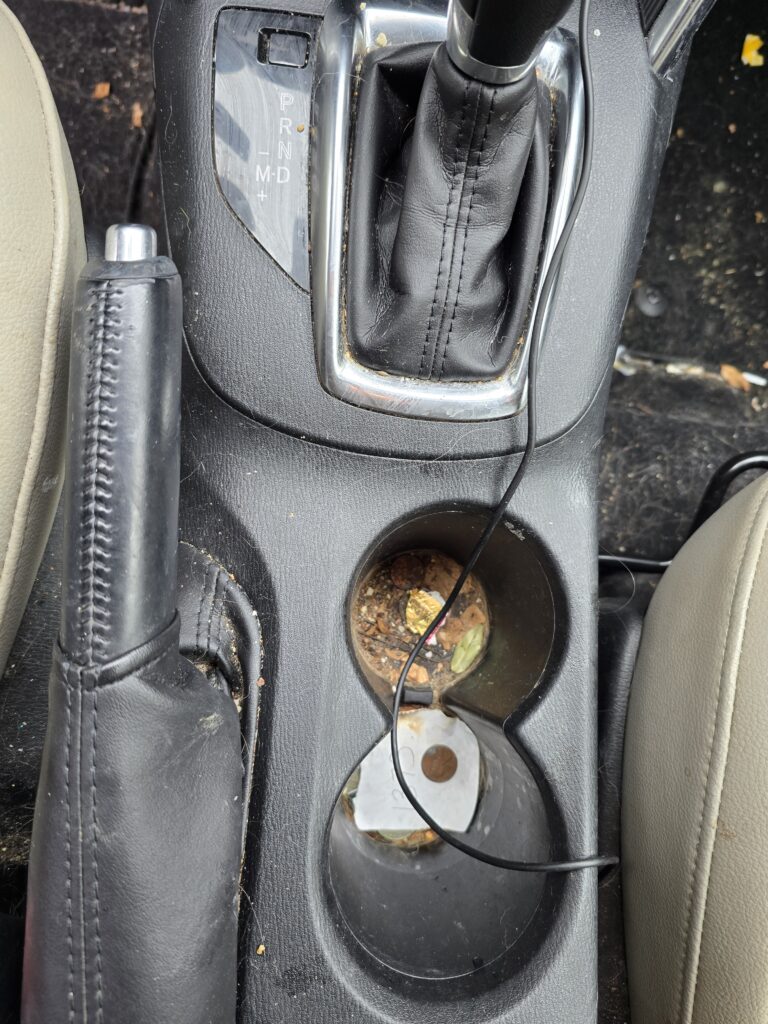
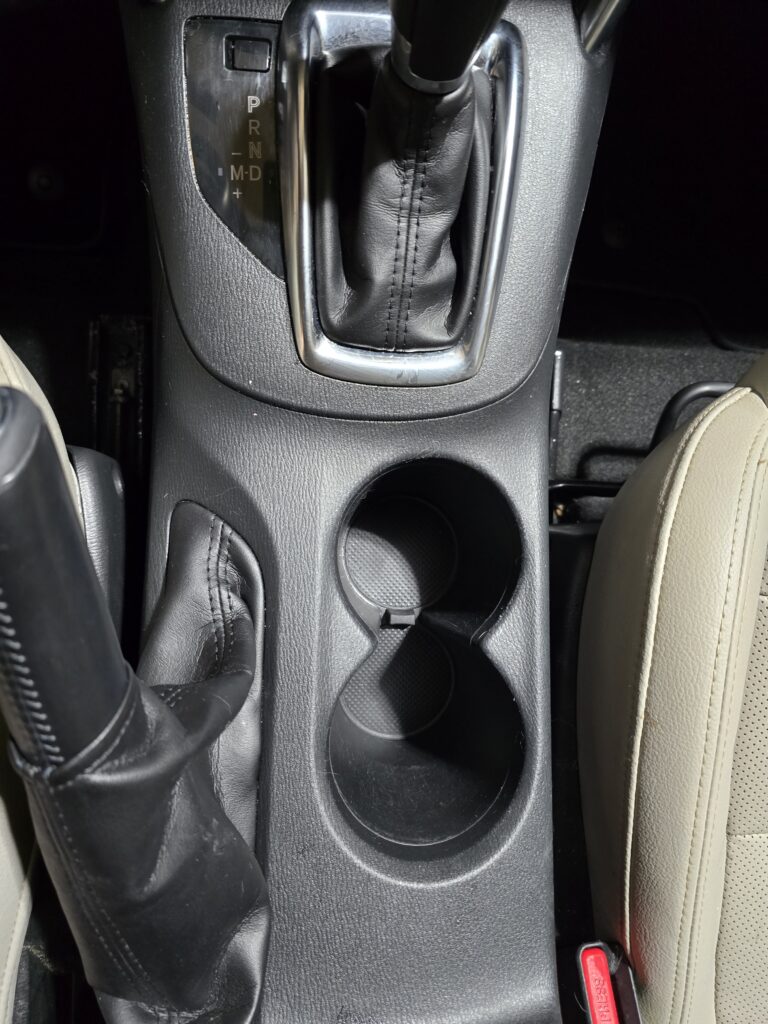
If you’ve ever had a professional interior detail done and been surprised by how different the result felt compared to a thorough home vacuum and wipe-down, steam cleaning is usually most of the reason why. It’s not a gimmick or an upsell — it addresses a completely different category of contamination than suction alone can reach, and understanding what it actually does makes it easier to know when it’s worth paying for and when a basic clean is enough.
What Vacuuming Actually Does
A vacuum does one thing: it removes loose, dry material from surfaces. Done properly with the right attachments, it’s genuinely effective at that — pulling out crumbs, dust, dry pet hair, and surface debris from carpet, seats, and crevices. For a car that’s been maintained regularly and doesn’t have significant soiling, a thorough vacuum is often most of what the interior actually needs.
What it can’t do is address anything that’s bonded to a surface, dissolved into a material, or living in layers below what suction can reach. Stains, odors, bacteria, mold spores, and ground-in grime all fall into this category. Vacuuming over a stained seat or a carpet that smells like spilled coffee doesn’t change either of those things at all.
What Steam Actually Does
Steam cleaning works by generating high-temperature vapor — typically between 200 and 300 degrees Fahrenheit — and directing it at a surface under pressure. That combination of heat and moisture does several things simultaneously that no other cleaning method replicates:
It dissolves bonded grime. Grease, body oils, sticky residue from spilled drinks, and ground-in dirt all break down under high heat in a way that wiping with a cloth and product alone often can’t achieve, especially in textured surfaces like rubber trim, stitching on seats, or plastic with grain patterns that trap contamination.
It sanitizes. The temperature steam reaches is high enough to kill bacteria, mold spores, and dust mites — the things that cause persistent odors and trigger allergies. This is particularly relevant for families with young children, allergy sufferers, or anyone dealing with a car that’s developed a musty smell from moisture exposure.
It lifts contamination out of porous materials. On fabric surfaces, steam penetrates into the fibers and loosens what’s embedded there before it’s extracted, which is why steam combined with hot water extraction produces dramatically better results on cloth seats and carpet than either method alone.
It cleans without harsh chemicals. Because the heat is doing most of the work, steam cleaning requires significantly less chemical product than cold-water cleaning methods, which matters for people with sensitivities and for preserving interior materials over time.
When You Actually Need It
A basic vacuum is fine for regular maintenance between professional visits. Steam cleaning earns its place when there’s visible staining, a persistent odor that doesn’t respond to surface cleaning, visible mold or mildew, or significant biological contamination — pet accidents, spilled milk, anything that’s soaked into the material rather than just sitting on top of it.
For most cars that haven’t been professionally cleaned in over a year, steam is part of what makes the difference between a clean that looks better and one that actually resets the interior.
See our Deep Interior Clean page or call 877-543-1085 to find out whether your car needs a full steam detail or something lighter.